
How Modified Duties Prevented Long-Term Absence Following a Back Injury
Why Staying at Work Matters
Research consistently shows that remaining connected to work during recovery can improve physical, psychological, and vocational outcomes, whilst improving financial outcomes for employers.
For employers, early return to work reduces claim duration and supports workforce continuity.
The Challenge
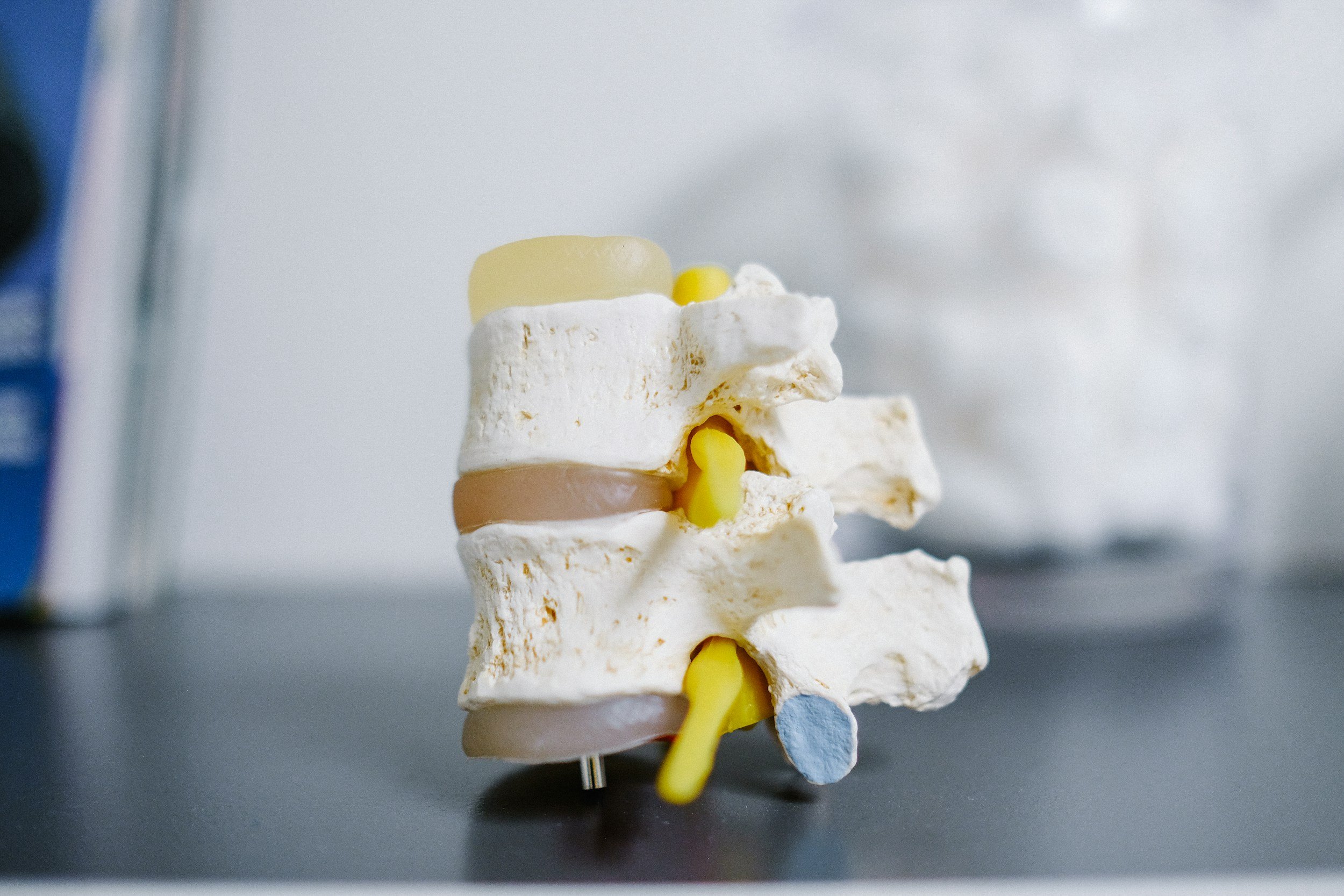
Ahmad worked as a warehouse supervisor and sustained a disc bulge in his lumbar while lifting stock from a palette.
His GP certified him with no capacity for work, believing he would have to return to his usual duties if he did otherwise.
Historically, workers with similar injuries often remained absent until fully recovered.
The Workplace Rehabilitation Solution
Caliso’s rehabilitation consultant conducted a detailed assessment of Ahmad's role and identified productive suitable duties that matched his capacity, in consultation with the Physio.
Modified duties included:
Inventory management
Staff scheduling
Training new employees
Safety audits
Administration tasks
The consultant also arranged ergonomic recommendations and graduated physical activity goals.
The Outcome
Within two weeks:
Ahmad’s GP agreed to upgrade his capacity once he was aware of the available duties and understood the certificate of capacity should match Ahmad’s functional abilities.
Ahmad returned to work on modified duties
Workplace relationships remained intact
Recovery progressed positively
Employer productivity impacts were minimised
Within three months:
Ahmad resumed normal duties
Claim costs remained significantly lower than projected
No secondary deconditioning or prolonged absence occurred
Key Takeaway
Remaining engaged in suitable work played a critical role in recovery and provided substantial benefits for both the worker and employer.
Get in touch