
Common Manual Handling Risks for Childcare Educators
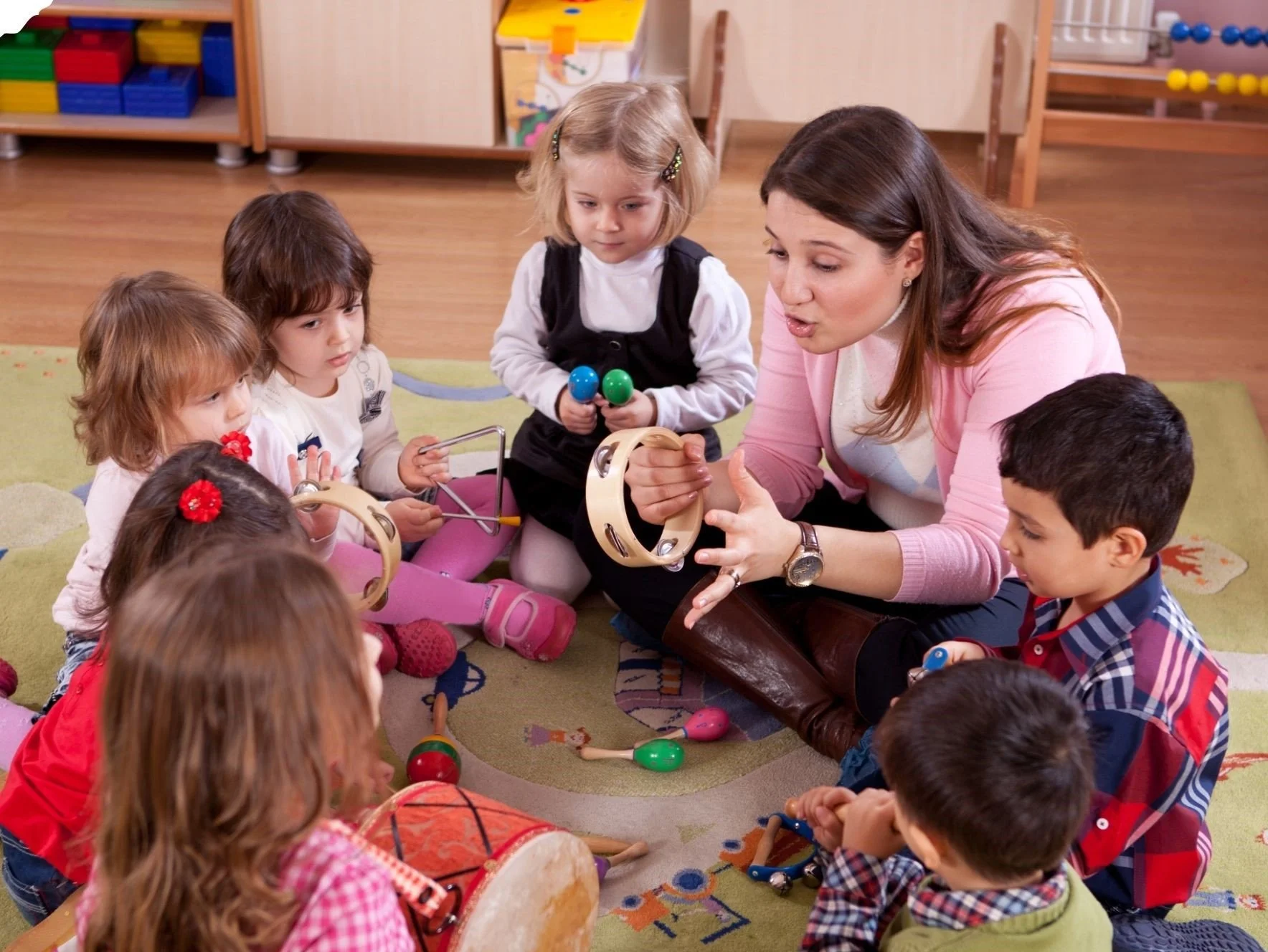
A typical day in childcare involves far more physical work than many people realise. Educators lift children, sit on the floor, reach into cots, move equipment and work at child-height—often while supervising several children at once.
SafeWork NSW identifies hazardous manual tasks as a significant risk within the early childhood education and care sector, with musculoskeletal injuries among the most common workplace injuries experienced by childcare workers.
Understanding the most common manual handling risks can help childcare centres reduce injuries, improve staff wellbeing and create safer workplaces.
Why Are Childcare Workers at Higher Risk?
Unlike many industries, childcare work involves regular lifting, carrying, bending, reaching and working at low heights. These activities are often performed while caring for children who may move unexpectedly or require physical assistance.
These injuries are not always caused by one obvious incident. An educator may first notice a stiff back, sore shoulder or recurring discomfort after weeks of lifting, bending and working in awkward positions.
1. Lifting and Carrying Children
One of the most common manual handling tasks in childcare is lifting children.
This may include:
Lifting infants from the floor
Assisting toddlers onto change tables
Carrying distressed children
Helping children who require additional support
Lifting a child is different from lifting a box. A child may wriggle, go limp, reach away or suddenly shift their weight, requiring the educator to react quickly. That unexpected movement can place extra strain on the back, shoulders and arms.
Where appropriate, educators should encourage children to participate in movements independently and avoid unnecessary lifting whenever possible.
2. Working at Low Heights
Childcare environments are largely designed around children's needs rather than adult body mechanics.
Educators frequently:
Sit on small chairs
Work at low tables
Kneel on the floor
Bend to interact with children
No single period spent on a small chair or kneeling beside a child is likely to feel significant. The problem is the repetition: getting down to floor level, leaning across low tables and returning to standing many times during a shift. Over time, this can contribute to discomfort in the back, hips, neck and shoulders.
3. Reaching into Cots
Lifting children in and out of cots can place significant stress on the spine and shoulders.
This task often requires educators to:
Reach forward
Lean over cot rails
Lift children from below waist height
Work with limited space
The risk can increase when lifting larger or less cooperative children, or when cots are not adjusted appropriately.
4. Nappy Changing Activities
Nappy changing often involves:
Repetitive bending
Twisting
Reaching for supplies
Supporting children's weight
Poor workstation setup can increase physical strain and contribute to cumulative injuries.
Simple adjustments such as organising supplies within easy reach and encouraging toddlers to use change-table steps where appropriate may help reduce risk.
5. Moving Equipment and Resources
Childcare workers regularly move:
Mats and bedding
Outdoor play equipment
Highchairs
Toys and learning resources
Furniture
These tasks are often completed quickly during room transitions and can involve awkward lifting techniques, pushing, pulling and carrying.
6. Fatigue and Repetition
Not all manual handling risks relate to heavy loads.
Repeated movements performed throughout the day can contribute to injury, particularly when educators are:
Working long shifts
Managing staff shortages
Feeling fatigued
Moving quickly between tasks
Small physical demands repeated hundreds of times each week can place significant cumulative stress on the body.
Reducing Injury Risk in Childcare Settings
The most useful controls are usually practical ones: arrange rooms so frequently used items are easy to reach, provide suitable equipment, involve educators in identifying problems, and review tasks that regularly cause discomfort. Training is important, but it works best when the equipment and work environment also support safer movement.
A proactive approach to manual handling can help reduce injury risk and support the health and wellbeing of educators.
Supporting Educators to Stay Safe
Childcare educators perform valuable work that requires both physical and emotional effort. By recognising common manual handling risks and implementing practical control measures, childcare centres can create safer workplaces and reduce the likelihood of preventable injuries.
Manual handling risks in childcare cannot be removed completely, but many can be reduced. The best starting point is to ask educators which tasks leave them sore or uncomfortable, then review the equipment, room layout and work practices contributing to those concerns.